|


 Send Inquiry
 Send SMS



 English
 Spanish
 French
 German
 Italian
 Chinese (Simplified)
 Japanese
 Korean
 Arabic
 Portuguese
Showroom
(9)
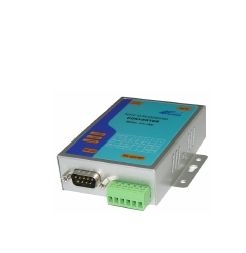
We offer a range of communication products that find their use in communication systems, computer applications etc. It is developed keeping in mind its communication interface application in computers and allied machines.
(3)
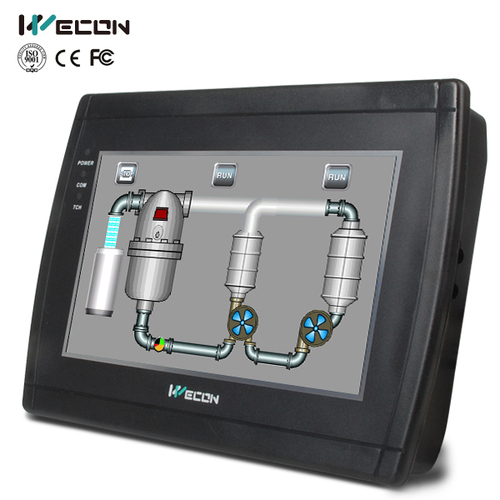
We offer a range of modern automation solutions that are engineered as per the standard norms, to meet the requirements of the automation industry. From automobile to electronic sector, our offered range finds is application in various industrial sectors as it makes the entire work fully automatic and easie.
(7)
For converting optical signals to electric currents and electrical currents to optical signals an Interface Converter is required and our company offers its best variety. Such remarkable transceivers are made by using A-grade materials and modern technologies that are always tested before its application to get flawless outputs in the end.
(8)
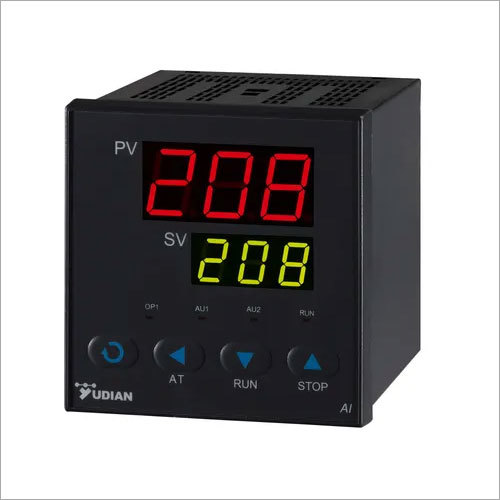
PID Temperature Controller is the right temperature controlling solution for the packaging, food manufacturing, plastic and allied testing devices and instruments. These controllers are engineered with precision so that it gives accurate monitoring and controlling of the devices. We are glad that our company offers a sophisticated range of such solutions.
(3)
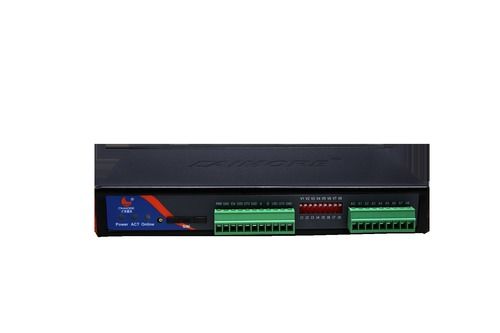
GPRS Modems have significant role in fast and efficient transmission of data. These wireless systems adopt RS485 working interface and 232 serial port for attaining direct connection with serial devices. These modems support SMS tool software for sending text to GSM phones.
(3)
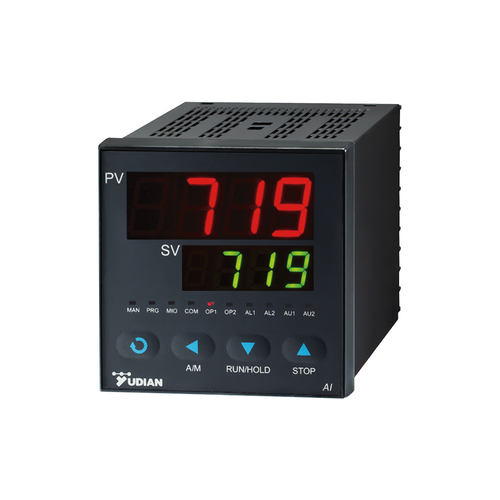
We offer a series of modern Loop Controllers, which are used for the measuring and controlling of temperature. Our developed controllers are compatible with logic and computer controller and are applauded for their excellence efficiency and accuracy.
(15)
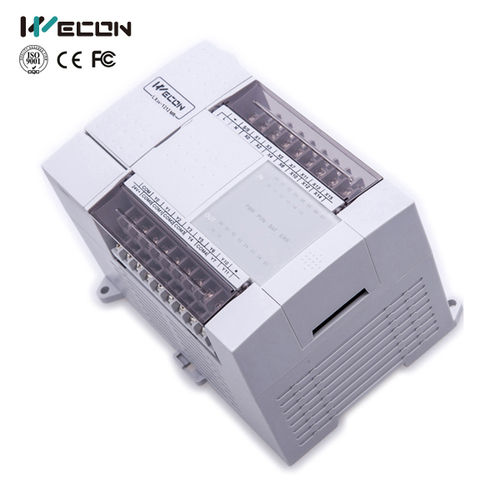
Programmable Logic Controllers have significant role in improving automation function of various equipments. These can be used at severe working conditions to ensure continuity of production. These PLCs optimize productivity by reducing downtime and error rate. These are quick to install and manage.
(2)
Networking devices like Optical Fiber Communication Converters are used to connect two dissimilar media devices with fiber optic cabling. These have turned out to be the most effective fiber optic cabling tool as we manufacture it as per the latest engineering and quality standards.
(1)
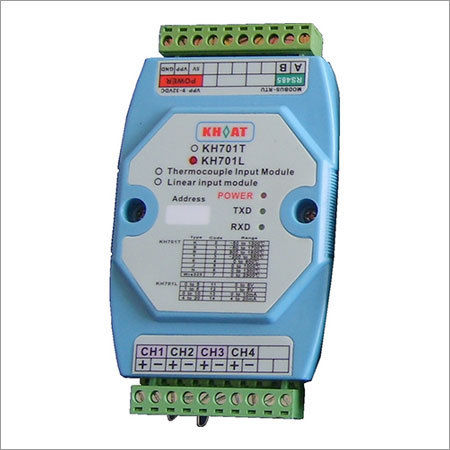
Input Module is a type of device used for connecting a panel to PLC and to control the automated production process in industries. Equipped with multiple input channels, this Input Module is preferred for its user friendly operation, compatibility with PC based software for data accessing purpose and good integrity with sensor. High resolution level, required isolation voltage level and excellent sampling rate per second are its main features.
(5)
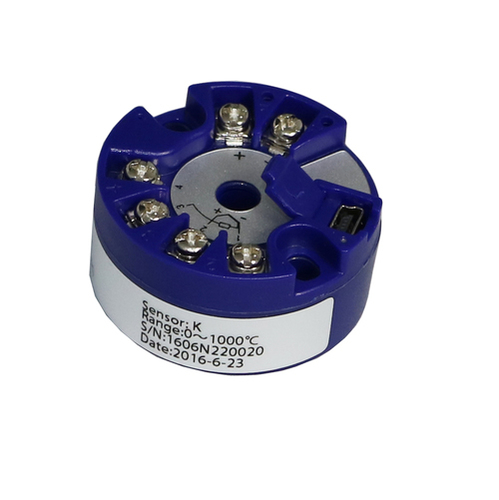
For measuring the humidity level and temperature, the Temperature and Humidity Transmitter are used and we provide a completely advance range of such solutions. Highly accurate measures are provided by these transmitters as it continuously measures the relative humidity of the environment. Such environmental monitoring and controlling solutions are also used in industrial areas.
(5)
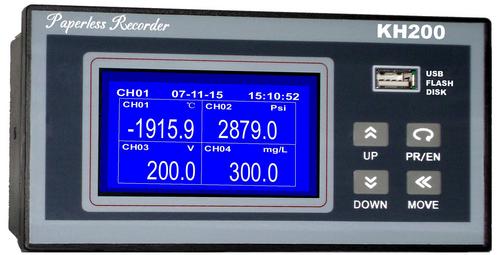
Paperless Recorders serve as the reliable solutions for storing measurement related information by using multiple distribution output and signal output channels. Precise operation, necessary back up supporting function and application of advanced communication protocol are the main attributes of these recorders.
(9)
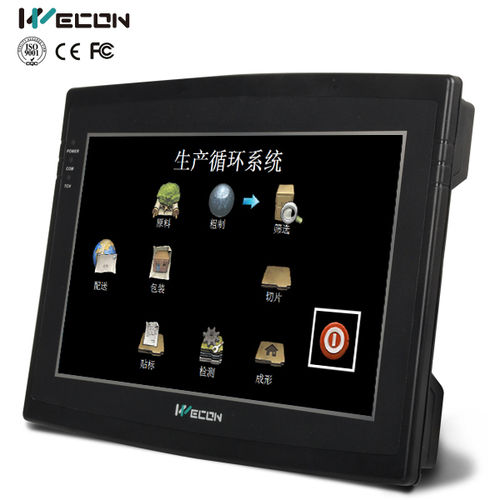
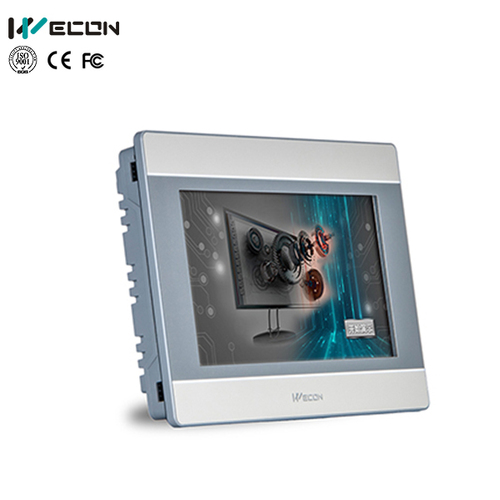
HMI device features required electronics to monitor and signal various types of equipment in any industry application. This is available in simple designs with basic indicator screen to complex touchscreens and other additional features. Its enhances communication between different devices, improves productivity, reduce cost of hardware etc.

(6)
Serial IP Ethernet Converter is a device used for converting Ethernet IP/TCP packets to serial data signals and vice versa. It comes with one or 25 or more serial ports and is provided as a wireless converter where the IP/TCP packets are transmitted over IEEE 802.11 network link.
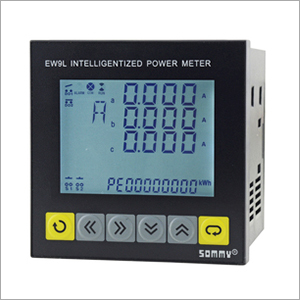
(1)
These meters provide with four options on the front and are used to measure single phase voltage, reactive power, power factor, frequency, current, apparent power and active power.
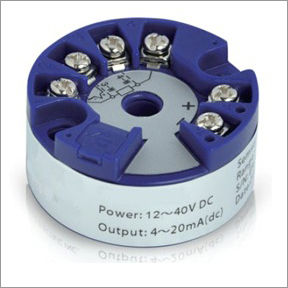
(3)
We manufacture these equipment for application in wireless communication, optical communication, microwave communication and general purpose electronics. Each equipment delivers accurate results and is very easy to handle & use.
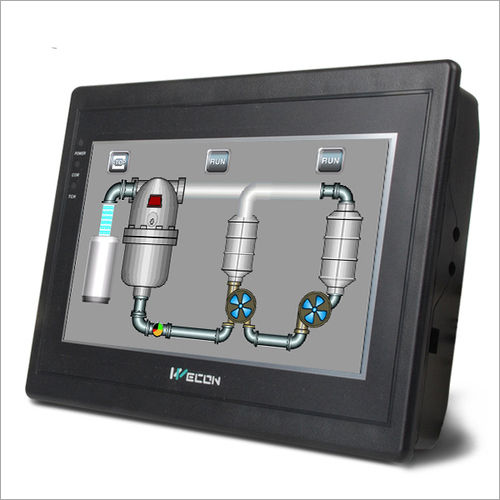
(8)
Human Machine Interface like touch screen is used for improving communication between user and controlling section of electrical apparatus. The software and hardware of this interface help to optimize function of machines as per different communication protocols programmed by its operator.
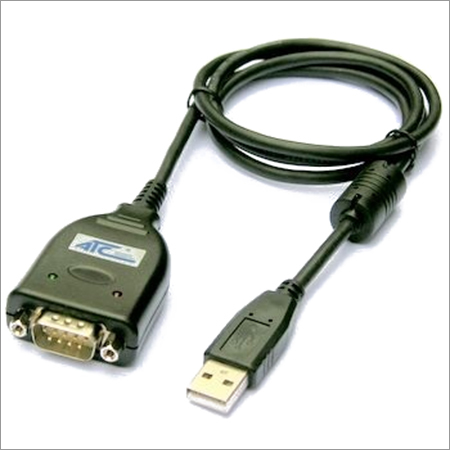
(5)
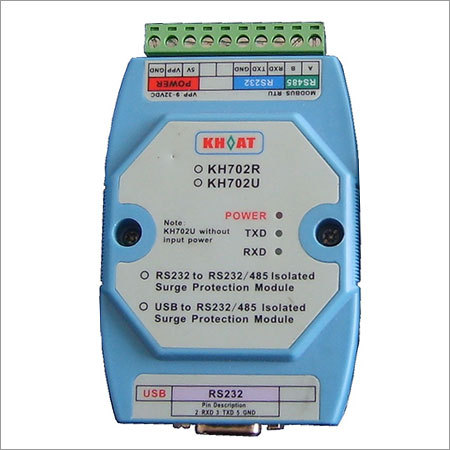
USBs To Serial Converters are used to establish connection between networking system and devices. These have wide applications in communication and instrumentation arena. Long working life, user friendly mechanism, low maintenance design and reasonable price are the other aspects of these converters.
(1)
Output Module acts as the reliable temperature controller that can act by integrating with other systems or independently. Featured with SSR output supporting arrangement and precise display function, this module boasts of having soft start system and it can rectify malfunction of sensor.
(1)
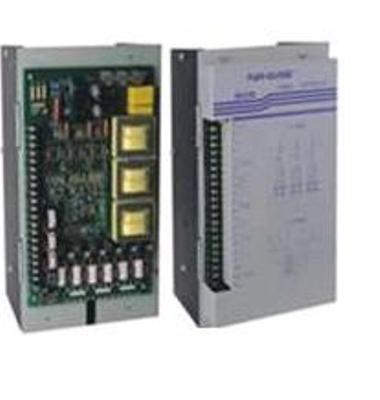
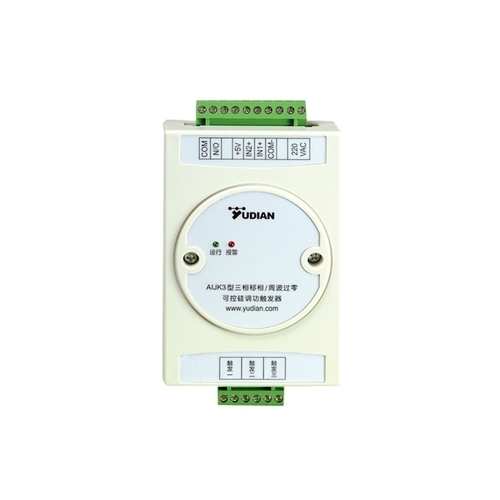
SCR Controller is used in electrical industry to reduce energy consumption rate. It consists of linear phase shift controlling circuit and different control signaling facilities. It uses latest SCR chip as its controller to maintain balance of wave and phase.
(2)
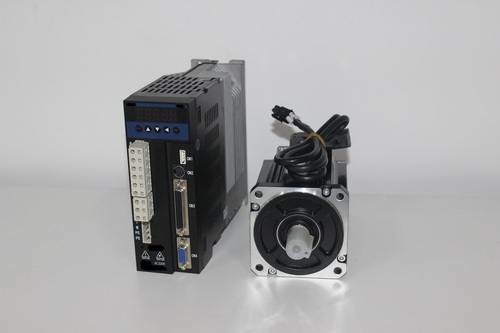
AC Servo Motor & Drives are used as essential parts of lathe equipment, cutting and speed winding systems to name a few. The panel parameters of these products can be set easily. Easy upgrading technique, long working life and user friendly design are the main attributes of these systems.
(1)
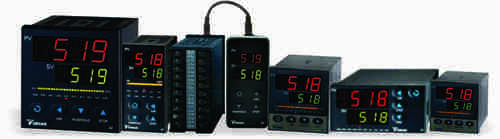
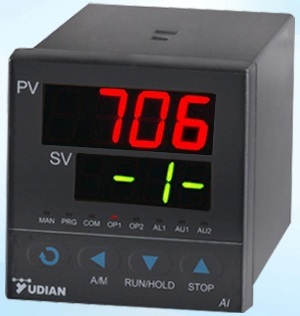
PID controlled Universal Indicator is used for precise adjustment and controlling of temperature. The input of its thermocouple and thermal resistance parameters of this indicator can be programmed easily. Energy efficient operation and long working life are its main attributes.
(1)
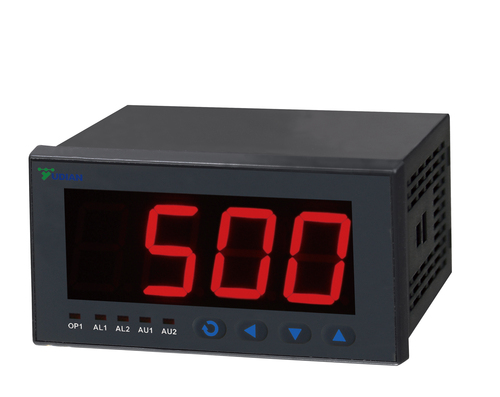
We offer Digital Indicators that are used for displaying and measuring of temperature, humidity etc. These equipment provide totally accurate results, which is why they are demanded in the market.
(1)
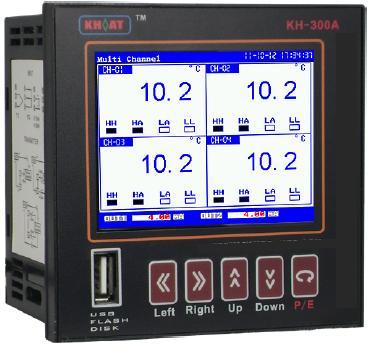
This range of Temperature Indicators is well known for its smooth operation and advanced features. These are useful for measurement of operating pressure and temperature, flow characteristics and level of different media. These support plug in module based RS 232 and RS 485 communication interfaces.
(1)
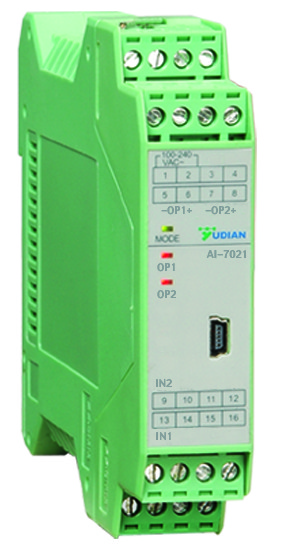
We provide a range of Paperless Recorders for your data recording and displaying needs. Fitted with LED Screens, the recorders show accurate digital values of the concerned solution.
(1)
We are providing a range of digital instruments for varied applications in electronic, automobile, electrical and allied industries. Developed as per the Good Manufacturing norms, these instruments totally match with the application requirements, wherever it is used. As it works efficiently without any errors customers find it to be the right digital solutions.
(2)
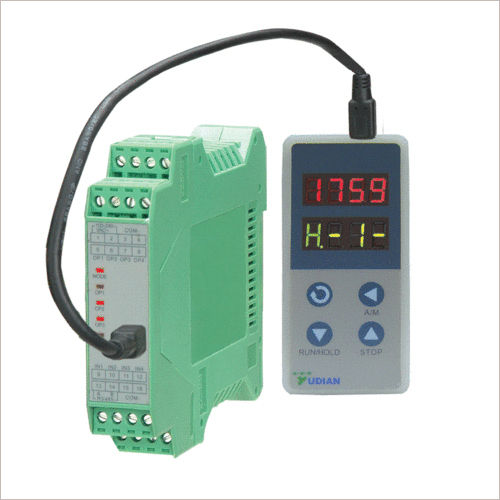
Electrical Isolators are used to open electrical circuit during no load condition. Available in different specifications, this array of standard grade isolators has significant role in electrical isolation of high voltage and high frequency transformers (pulse type and vibration type).
(1)
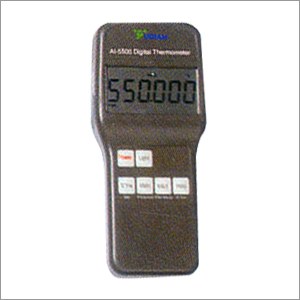
High Precision Thermometers are well known for their accurate measurement technique. These instruments maintain +0.5 degree C measurement accuracy. These can be used at 85% operating humidity and their maximum operating temperature is 50 degree C. For their uninterrupted operation, these instruments have maximum 1500 hours of working life.
(3)
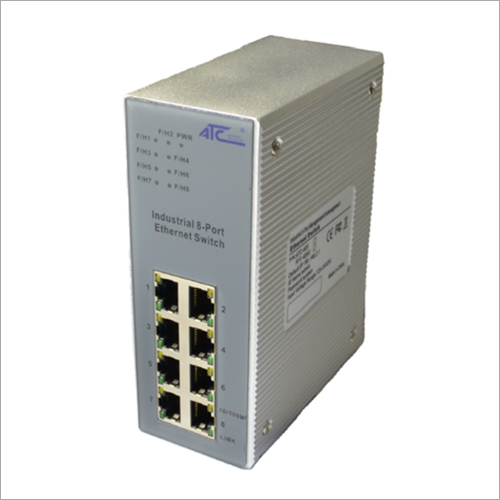
Ethernet Switches offered by us can be availed in 5 port and 8 port design choices. These switches have important role in improving data safety of various networking systems. These flexible switches enable users o upgrade and manage network connectivity for better output.
(2)
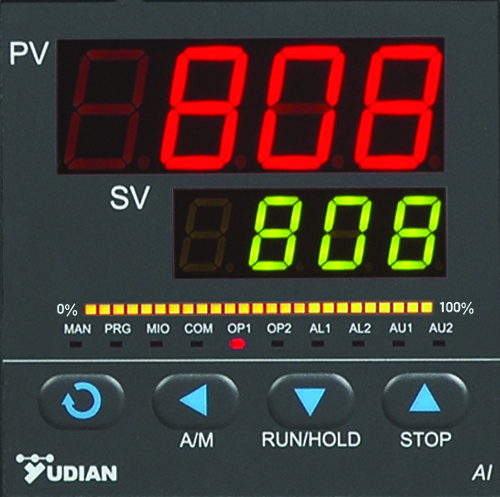
Flow Totalizers are used to verify the flow level of gas, steam or fluid over a sensor. These systems are equipped with temperature and pressure compensation function, LCD display arrangement and algorithm function for better productivity. Long working life and low maintenance cost are the key aspects of these systems.
(1)
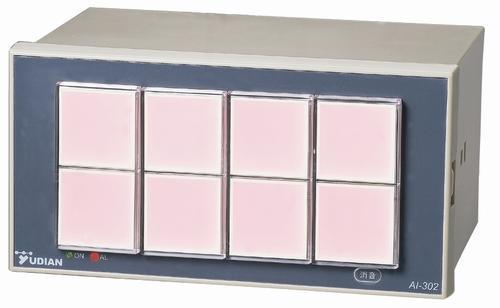
Yudian Alarm Annunciators are ISO approved systems that have a number of advanced features. These photoelectric isolated products have powerful anti interference capacity. Semi conductor based flash components of these products have optimum brightness. These energy efficient systems have advanced flash light alarm.
(2)

(1)
Offered Software programs have been developed to enhance productivity of any heavy duty industry. These programming languages are useful to produce real time graphical statistics of data. These programs are easy to comprehend and these can be installed quickly.
(1)
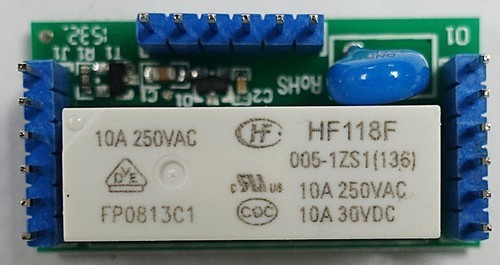
Modules For Yudian Instruments support single number of two wired RTD input and one three wired RTD inputs. Long working life, ergonomic appearance, precise dimension and ease of handling are some of the key aspects of this range of modules.
Contact Details
MICON AUTOMATION SYSTEMS PVT. LTD.
GST : 24AAECM7879C1ZB
GST : 24AAECM7879C1ZB

- B No A-814, OFF S.G. HIGHWAY, B/H DCP OFFICE, MAKARBA,Ahmedabad - 380051, Gujarat, India
- Phone : 08045479004

- Mr Niket S Gorakhia (Director)
- Mobile : 08045479004
- niket@miconindia.com
 Send Inquiry
 Send Inquiry
 Send SMS
 |
MICON AUTOMATION SYSTEMS PVT. LTD.
All Rights Reserved.(Terms of Use) Developed and Managed by Infocom Network Private Limited. |


