|


 Send Inquiry
 Send SMS



 English
 Spanish
 French
 German
 Italian
 Chinese (Simplified)
 Japanese
 Korean
 Arabic
 Portuguese
 Send Inquiry
RS-232/RS-422/RS-485 (Serial) to Single-Mode Fiber Optic Converter / Modem
Price 10400.00 INR/ Box
RS-232/RS-422/RS-485 (Serial) to Single-Mode Fiber Optic Converter / Modem Specification
- Power Supply
- DC 9~36V
- Size
- Compact
- Range
- Up to 20 km
- Shelf Life
- 5 Years
- Mounting Type
- DIN Rail or Wall Mount
- Product Type
- Serial to Fiber Optic Converter / Modem
- Application
- Industrial data transmission, remote communication, automation control
- Dimension (L*W*H)
- 115 mm x 85 mm x 26 mm
- Material
- Aluminum Alloy
- Weight
- 320 grams
- Capacity
- 1 Serial to Fiber Converter per unit
- ESD Protection
- 15KV ESD protection for serial ports
- Serial Data Format
- 8N1, configurable
- Wavelength
- 1310 nm / 1550 nm
- Power Consumption
- < 3W
- Transmission Mode
- Asynchronous serial data
- Isolation
- Optical isolation up to 2000V
- Status Indication
- Power and link LED indicators
- Baud Rate
- 300 bps to 115.2 Kbps
- Protection
- Power and data line surge protection
RS-232/RS-422/RS-485 (Serial) to Single-Mode Fiber Optic Converter / Modem Trade Information
- Minimum Order Quantity
- 200 Number, Number, Number
- Supply Ability
- 100 Per Week
- Delivery Time
- 7 Days
About RS-232/RS-422/RS-485 (Serial) to Single-Mode Fiber Optic Converter / Modem
ATC-277SM RS-232/RS-422/RS-485 (Serial) to Single-Mode Fiber Optic Converter / Modem
Technical Specifications:
- Interface : RS-232/RS485/RS422
- Interface Speed Rate : Maximum up to 115.2 KBPS
- Transmission Line : Dual Single-Mode Optical Cable
- Transmission Distance : 20 KM Single-Mode glass fiber
- Optic Wavelength : 1310 nm
- Supply : 9~12VDC
- Working Environment : -20C~65C, 10%~90%RH
- Environment -: 20C65C, 10%90%RH
Features:
- Adopt single mode optional fiber and the working distance up to 20KM.
- Support point to point or ring (point to multi-point) networking.
- Support manifold asynchronous communication protocols including RS-232,RS-422 and RS-485
- Can use any to of RS-232,RS-422 or RS-485 interface together.
- Support 2 wire (half duplex) and 4 wire (full duplex) RS-485 working together.
- Communication speed up to 115.2KBPS (RS-232/422/485).
- Adopt SC/ST optical fiber interface only.
Reliable Long-Distance Data Transmission
Designed for industrial environments, this converter leverages fiber optics for secure serial communication over distances up to 20 km. The advanced design offers robust ESD, surge, and optical isolation protections, ensuring ongoing reliability and enhanced operational safety in automation and communication networks.
Flexible Installation and Power Options
Featuring a compact, lightweight aluminum alloy body, the device supports both DIN rail and wall mounting options to suit varied deployment needs. Its broad DC power range (9~36V) and minimal power consumption (<3W) make it practical for many installation scenarios, optimizing energy use and convenience.
FAQs of RS-232/RS-422/RS-485 (Serial) to Single-Mode Fiber Optic Converter / Modem:
Q: How do I install the RS-232/RS-422/RS-485 to Single-Mode Fiber Optic Converter?
A: The device supports both DIN rail and wall mounting for flexible installation in industrial settings. Simply secure the unit to your desired surface, connect the serial cable and fiber optic cable, and apply DC power within the range of 9 to 36V.Q: What applications can benefit from this serial to fiber converter?
A: It is ideal for industrial data transmission, automation control, and remote communication systems needing secure, long-range serial connectivity, especially in environments prone to electrical interference.Q: When should I use optical isolation and ESD protection features?
A: Optical isolation (up to 2000V) and 15KV ESD protection safeguard sensitive equipment during surges and electrostatic events, making the converter suitable for high-risk industrial setups where stable communication is critical.Q: Where can this converter be deployed for optimal efficiency?
A: The converter is best deployed in factories, remote monitoring stations, automation facilities, and any location where robust serial communication over long distances (up to 20 km) and high protection against electrical hazards are required.Q: What process is involved in configuring serial data format and baud rates?
A: Configuration is user-accessible, allowing you to set serial data format (8N1) and select baud rates (300 bps to 115.2 Kbps) to match your source device, ensuring compatibility without compromising transmission integrity.Q: How do the status LED indicators assist during operation?
A: Power and link LED indicators provide real-time visual feedback, letting you easily monitor converter status and connection integrity, which assists in rapid troubleshooting and system maintenance.Q: What are the key benefits of using this converter over traditional copper cabling?
A: Using fiber optics significantly reduces signal degradation, increases transmission range (up to 20 km), and offers immunity to electromagnetic interference, ensuring stable and secure data transfer for critical industrial applications.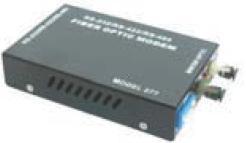
Tell us about your requirement

Price:
Quantity
Select Unit
- 50
- 100
- 200
- 250
- 500
- 1000+
Additional detail
Mobile number
Email

More Products in Optical Fiber Communication Converter Category
RS-232/422/485 to Multimode Fiber Optic Converter
Price 8400.00 INR / Box
Minimum Order Quantity : 1 , , Box
Application : Data transmission, industrial automation, CCTV, networking, remote communication
Connectivity Type : Fiber Optic and Serial Interfaces
Dimension (L*W*H) : 120mm x 75mm x 30mm
Frequency : DC to 500 kbps

Contact Details
MICON AUTOMATION SYSTEMS PVT. LTD.
GST : 24AAECM7879C1ZB
GST : 24AAECM7879C1ZB

- B No A-814, OFF S.G. HIGHWAY, B/H DCP OFFICE, MAKARBA,Ahmedabad - 380051, Gujarat, India
- Phone : 08045479004

- Mr Niket S Gorakhia (Director)
- Mobile : 08045479004
- niket@miconindia.com
 Send Inquiry
 Send Inquiry
 Send SMS
 |
MICON AUTOMATION SYSTEMS PVT. LTD.
All Rights Reserved.(Terms of Use) Developed and Managed by Infocom Network Private Limited. |
