|


 Send Inquiry
 Send SMS
 Call Me Free



 English
 Spanish
 French
 German
 Italian
 Chinese (Simplified)
 Japanese
 Korean
 Arabic
 Portuguese
 Send Inquiry
Wall/Duct Temperature And Humidity Sensor
Price 6000 INR/ Box
MOQ : 1 Box
Wall/Duct Temperature And Humidity Sensor Specification
- Power Supply
- 24V DC
- Features
- Highly precise, Long term stability, Fast response, Wall or duct mounting
- Specimen Size
- Standard sensor size
- Automation Grade
- Automatic
- Application
- HVAC, Industrial, Clean rooms, Warehouses
- Measuring Range
- Temperature: -40 to 100C, Humidity: 0100%RH
- Interface Type
- 4-20mA / RS485 / 0-10V (optional)
- Mounting Type
- Wall or Duct Mount
- Test Range
- 20~80H0~100%
- Port Size
- G1/2 or customized
- Response Time
- 15 seconds
- Number of Specimens
- Single point measurement
- Display Type
- LCD Digital Display / Without Display
- Operating Voltage
- 12~36V DC
- Equipment Type
- Wall/Duct Mount Temperature & Humidity Sensor
- Gas Pressure
- Atmospheric
- Accuracy
- Temperature: 0.3C, Humidity: 2%RH
- Resolution
- Temperature: 0.01C, Humidity: 0.01%RH
- Humidity
- 0~100%RH
- Temperature
- Storage temperature: -40 to 100 Fahrenheit (oF)
- Usage
- Temperature & Humidity Monitoring
- Test Speed
- 8 kinds of thermocouple (TC)
- Test Width
- 2 kinds of resistance thermometer input (RTD) Meter (m)
- Control Mode
- Automatic/Manual
- Output Signal
- Analog / Digital (Selectable)
- Dimension
- 120 x 80 x 50 mm
- Ambient Pressure
- 80110kPa
- Protection Class
- IP65
- Weight
- Approx 250g
- Long-Term Drift
- <1%RH per year
- Warm-up Time
- <3 minutes
- Sensor Material
- ABS Plastic / Aluminum Alloy
- Cable Entry
- M16x1.5
- Operating Temperature
- -20 to 80C
- Storage Condition
- <85% RH
- Calibration Interval
- 12 months
Wall/Duct Temperature And Humidity Sensor Trade Information
- Minimum Order Quantity
- 1 Box
- FOB Port
- Courier
- Supply Ability
- 100 Boxes Per Week
- Delivery Time
- 7 Days
- Sample Available
- Yes
- Sample Policy
- Contact us for information regarding our sample policy
- Main Domestic Market
- All India
About Wall/Duct Temperature And Humidity Sensor
K-Hoat Make Wall/Duct Type Temperature and Humidity Sensor
Ours is a coveted organization that is engaged in manufacturing, supplying and exporting Wall/Duct Temperature And Humidity Sensor. This sensor is widely used for measuring humidity as well as the temperature. Offered sensor provides accurate results and is applauded for its high speed of showing those accurate results. Moreover, its applicability in HVAC industries is increasing its demand day by day. We have made Wall/Duct Temperature And Humidity Sensor which is available in market for our valued patrons at most affordable prices. Customers can avail this equipment from us in any desirable quantity.
Other details:
Wall/Duct Type Temperature and Humidity Sensor
Temperature and humidity sensor (or humidity or temperature sensor), output standard voltage: (0-5V, 0-10V) or current (4-20mA), applies in HVAC industry and measuring equipment in industrial environment.
Specification:
Standard output, high-accuracy measurement, convenient installation: pipe probe can be mounted in radial or axial, replacing import brand, high performance price ratio.
Technical Specifications:
- Power: 12VDC -24VDC
- Output: 0~5VDC or 4-20mA
- Range T: -20~80H0~100%
- Accuracy: T 0.3H 3%RH25,0%~100%
- Size: 1208535mm
Features:
Temperature and humidity sensor (or humidity or temperature sensor), output standard voltage: (0-5V,0-10V) or current(4-20mA), applies in HVAC industry and measuring equipment in industrial environment.
Standard output, high-accuracy measurement, convenient installation: pipe probe can be mounted in radial or axial, replacing import brand, high performance -price ratio.
Versatile Performance Across Applications
This sensor excels in diverse environments such as HVAC systems, industrial facilities, warehouses, and clean rooms. Its robust design and IP65 enclosure make it suitable for harsh conditions, while the selectable analog or digital output assures compatibility with various systems. Long-term stability and minimal drift guarantee trustworthy readings year-round.
Easy Installation and Wide Compatibility
The compact size (120 x 80 x 50 mm) and M16x1.5 cable entry allow for straightforward wall or duct mounting. Interface options including 4-20mA, RS485, and 0-10V ensure flexible integration. The sensors low warm-up time and automatic/manual control modes streamline setup and operation, making it ideal for new and retrofit projects.
FAQs of Wall/Duct Temperature And Humidity Sensor:
Q: How is the Wall/Duct Temperature and Humidity Sensor installed?
A: The sensor can be easily mounted on either walls or ducts using standard fittings. It comes with M16x1.5 cable entry and can be connected to your control systems via selectable analog or digital output interfaces. Clear installation guidelines are provided for hassle-free setup.Q: What types of environments can this sensor be used in?
A: This sensor is designed for a broad range of settings, including HVAC systems, industrial sites, clean rooms, and warehouses. Its IP65-rated housing protects against dust and water, making it highly suitable for both indoor and semi-exposed locations.Q: When should I calibrate the sensor for accurate readings?
A: To ensure optimal accuracy and long-term stability, it is recommended to recalibrate the sensor every 12 months. This maintenance interval minimizes drift and preserves the specified accuracy parameters.Q: Where should the sensor be positioned for best performance?
A: For precise monitoring, install the sensor at a representative location on the wall or inside the duct, away from direct airflow from vents or sources of moisture and heat. This avoids localized anomalies and ensures reliable data collection.Q: What is the process for switching between analog and digital output signals?
A: The sensor is designed with selectable output modes, enabling you to configure either analog (4-20mA/0-10V) or digital (RS485) signals as needed. Refer to the product manual for detailed steps on changing output types based on your systems requirements.Q: How does using this sensor benefit HVAC and industrial applications?
A: Its precise measurements, rapid response (15 seconds), and robust construction help maintain optimal environmental conditions, improve system efficiency, and support automation. This contributes to energy savings, better product quality, and enhanced safety in controlled environments.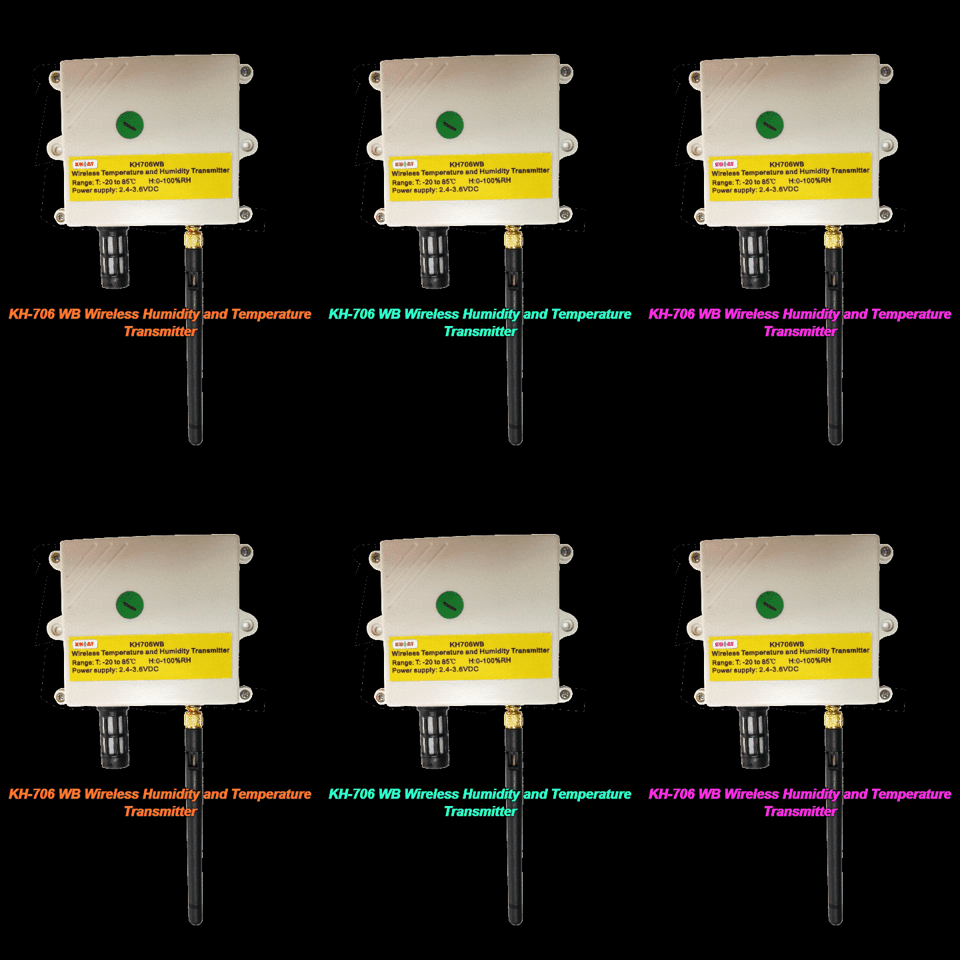
Tell us about your requirement

Price:
Quantity
Select Unit
- 50
- 100
- 200
- 250
- 500
- 1000+
Additional detail
Mobile number
Email

More Products in Temperature And Humidity Transmitter Category
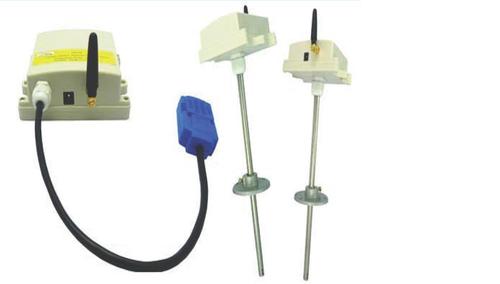
Temperature and Humidity Transmitter
Price 6000 INR / Box
Minimum Order Quantity : 1 Box
Usage : Temperature and humidity transmitter
Power Supply : AC 220V / DC 24V
Temperature : 40C ~ +120C
Machine Weight : 180 g
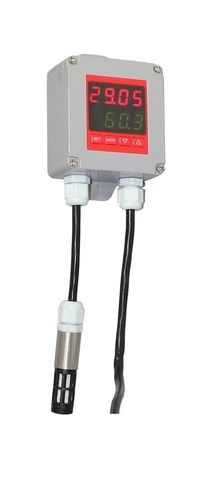
Digital Temperature And Humidity Sensor
Price 6800 INR / Box
Minimum Order Quantity : 1 Box
Usage : Temperature and humidity transmitter
Power Supply : DC 24V (typical)
Temperature : 40C to +80C
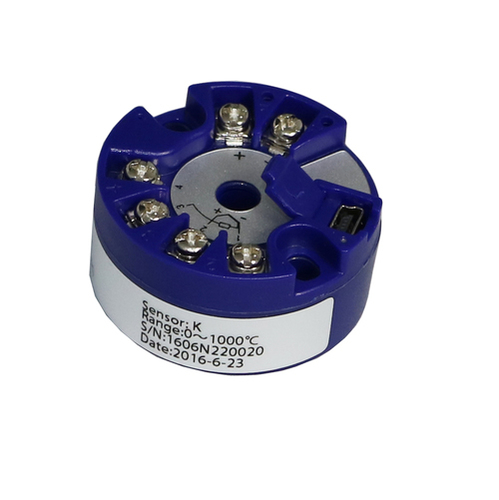
Head Mounted Smart Temperature Transmitter
Price 1400 INR / Box
Minimum Order Quantity : 1 Box
Usage : Head Mounted Transmitter
Power Supply : U=12V to 40V
Temperature : Storage temperature: 40 to 100 Celsius (oC)
Machine Weight : Input: RTD, Thermocouple Metric Ton
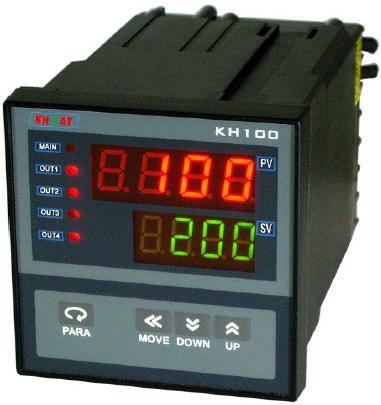
Khoat Make Multi Channel Indicator
Price 16000 INR / Box
Minimum Order Quantity : 1 Box
Usage : Multi Channel Indicator No. of Channels 8/6/24/32/40/48
Power Supply : 85240VAC; 24VDC
Temperature : 050C Celsius (oC)
Machine Weight : 0.6kg Kilograms (kg)

Contact Details
MICON AUTOMATION SYSTEMS PVT. LTD.
GST : 24AAECM7879C1ZB
GST : 24AAECM7879C1ZB

- B No A-814, OFF S.G. HIGHWAY, B/H DCP OFFICE, MAKARBA,Ahmedabad - 380051, Gujarat, India
- Phone : 08045479004

- Mr Niket S Gorakhia (Director)
- Mobile : 08045479004
- niket@miconindia.com
 Send Inquiry
 Send Inquiry
 Send SMS
 Call Me Free
 |
MICON AUTOMATION SYSTEMS PVT. LTD.
All Rights Reserved.(Terms of Use) Developed and Managed by Infocom Network Private Limited. |
